建議您使用以下瀏覽器觀看本網站,
以獲得最佳瀏覽效果。
Recombinant Proteins
Panlabs leverages a robust microbial expression systems (Pichia pastoris and E. coli) to establish a highly efficient platform for the development and large-scale production of bioactive recombinant proteins. We currently focus on three core product categories:
- Cytokines: IL-2, IL-4, IL-6, IL-15, IL-18, IL-21, etc., providing immune modulation and repair functions.
- Growth Factors: FGF2, EGF, VEGF165, hGH, IGF-1, etc., promoting cellular regeneration and skin elasticity.
- Structural Proteins: Fibronectin, collagen fragments, etc., supporting skin firmness and barrier repair.
ENZYMES
Panlabs integrates molecular biology techniques with protein engineering to establish an efficient and scalable enzyme development platform, delivering key enzyme solutions for industrial processes and a wide range of biotechnological applications. Our primary enzyme offerings include:
Industrial & Bioprocess Enzymes: Amylase, Lipase, Cutinase, Esterase, Nitrilase, Endonuclease, Glucose Oxidase, Catalase Proteases: SUMO protease, TEV protease
LactosomeTM (Lactobacillus-Derived EVs)
Lactosome™ is a bioactive ingredient independently developed by Panlabs and belongs to the class of extracellular vesicles (EVs). It consists of nanoscale vesicles naturally released from probiotic Lactobacillus spp., exhibiting excellent biocompatibility and stability. Lactosome™ functions as a mediator of intercellular communication and is involved in immune modulation, anti-inflammatory responses, tissue repair, and cellular regeneration. Compared with animal-derived exosomes, Lactosome™ offers advantages in source safety, animal-free composition, high production yield, and process stability, aligning with sustainable and green manufacturing principles. It is suitable for applications in food, nutraceuticals, and cosmetic formulations.
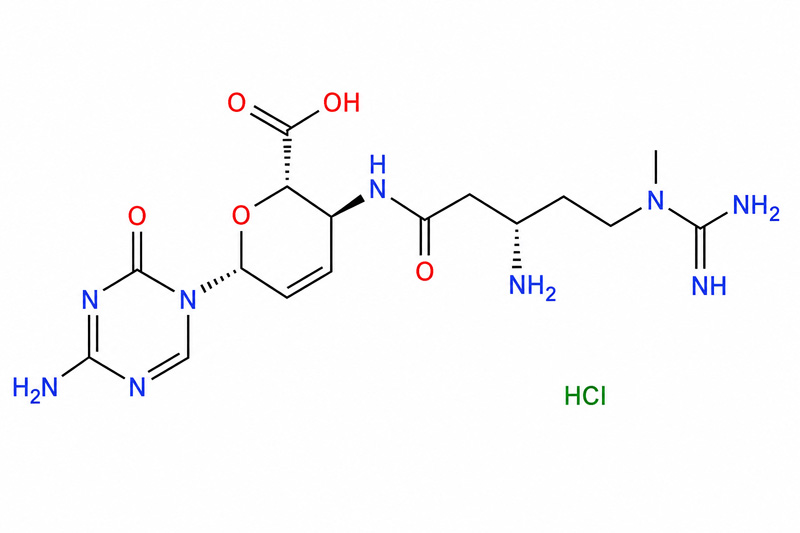
Blasticidin S Hydrochloride
Blasticidin S hydrochloride is a nucleoside antibiotic originally isolated from Streptomyces griseochromogenes. It inhibits cell growth by interfering with ribosomal protein synthesis and is active against both prokaryotic and eukaryotic cells.
In molecular biology, genetic engineering, and gene editing research, Blasticidin S hydrochloride is commonly used as a selection antibiotic for cells carrying Blasticidin resistance genes such as bsr and bsd. It is widely used in CRISPR/Cas gene editing, stable cell line generation, gene expression studies, and cell selection.
Panlabs provides Blasticidin S hydrochloride with a purity of ≥95% for life science research applications.